Karungali Mala: Meaning, Benefits, How to Wear It and How to Spot Genuine Karungali
Karungali, the black heartwood of the ebony tree, has been worn in Tamil Nadu for generations. Here is what it means, how to wear a Karungali mala and how to tell a genuine one from a painted copy.
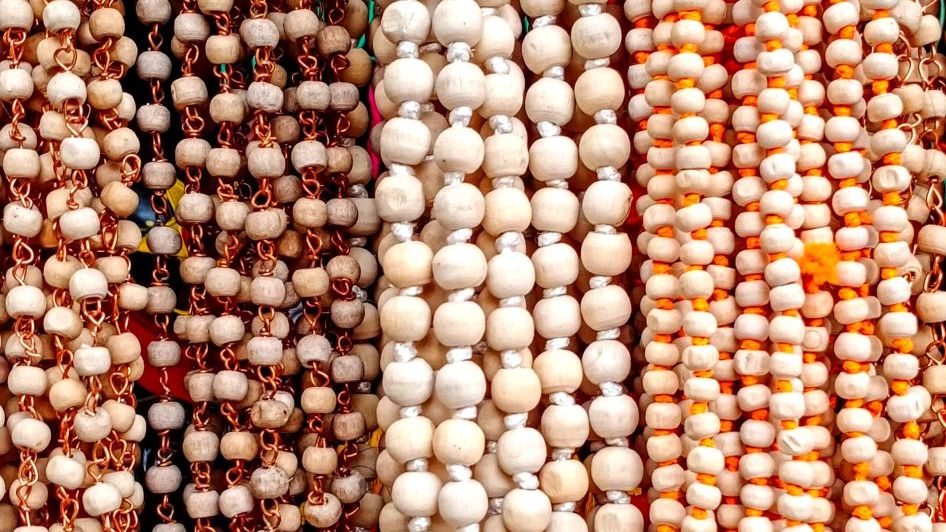
Walk into any temple town in Tamil Nadu and you will see them: deep black beads strung into malas and bracelets, worn by devotees, priests and young professionals alike. This is Karungali (கருங்காலி), and it is one of the most searched spiritual products in South India. In this guide we explain what Karungali is, the traditional beliefs around it, how to wear a Karungali mala correctly and, most importantly, how to make sure the one you buy is genuine.
What is Karungali?
Karungali is the Tamil name for ebony, the dense black heartwood of trees in the Diospyros family, most famously Diospyros ebenum, which grows in South India and Sri Lanka. The word comes from karu (black) and is used for the wood itself and for anything carved from it: malas, bracelets, yantras, idols and walking sticks.
Only the inner heartwood is black. It forms slowly over many decades, which is why genuine Karungali is heavy, hard, smooth and comparatively expensive.
Why Karungali is considered sacred
In Tamil tradition, Karungali is linked with Sevvai (Mars), the planet of courage, energy, land and siblings, and with Lord Murugan, who rules over Sevvai. Karungali is also one of the woods traditionally used in temple construction and for sacred objects, and it appears in Siddha tradition as a wood of strength.
Because of these associations, devotees wear Karungali to:
- seek protection from negative energy and the evil eye (drishti);
- reduce the difficulties attributed to a weak or afflicted Sevvai, including Sevvai dosham in marriage matching;
- build courage, confidence and focus;
- keep the mind steady during japa, the repetition of a mantra on 108 beads.
These are traditional beliefs rather than proven effects, and experiences vary from person to person. Please read our disclaimer.
Karungali mala, bracelet or yantra: which should you choose?
Karungali mala (108 beads)
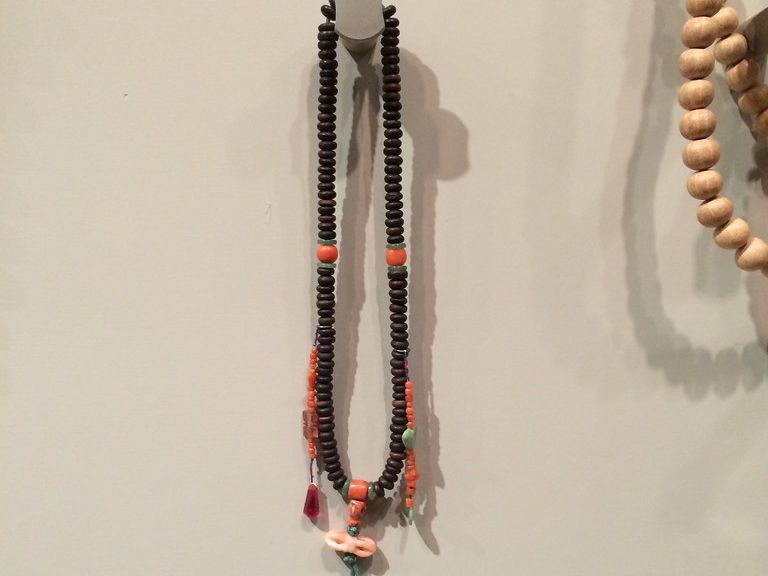
A full Karungali mala of 108 beads is the traditional choice for japa and for wearing around the neck. The 108 beads let you count one full round of a mantra. Browse our Karungali mala collection.
Karungali bracelet
A Karungali bracelet is easier to wear every day, at work or while travelling, and is popular with people who want the protection Karungali is known for without a full mala.
Karungali yantras and idols
For the pooja room, a Karungali yantra such as the Sri Yantra or Kubera Yantra, or Karungali idols of Ganesha, Murugan or Varahi Amman, bring the same wood into daily worship.
How to wear a Karungali mala
- Choose an auspicious day. Tuesday (Sevvai kizhamai), the day of Sevvai and Murugan, is the traditional day to start wearing Karungali. Many people also choose a Sashti or Krithigai day.
- Cleanse it. Rinse the mala briefly in clean water, or keep it in front of your deity overnight. Wipe it dry with a soft cloth.
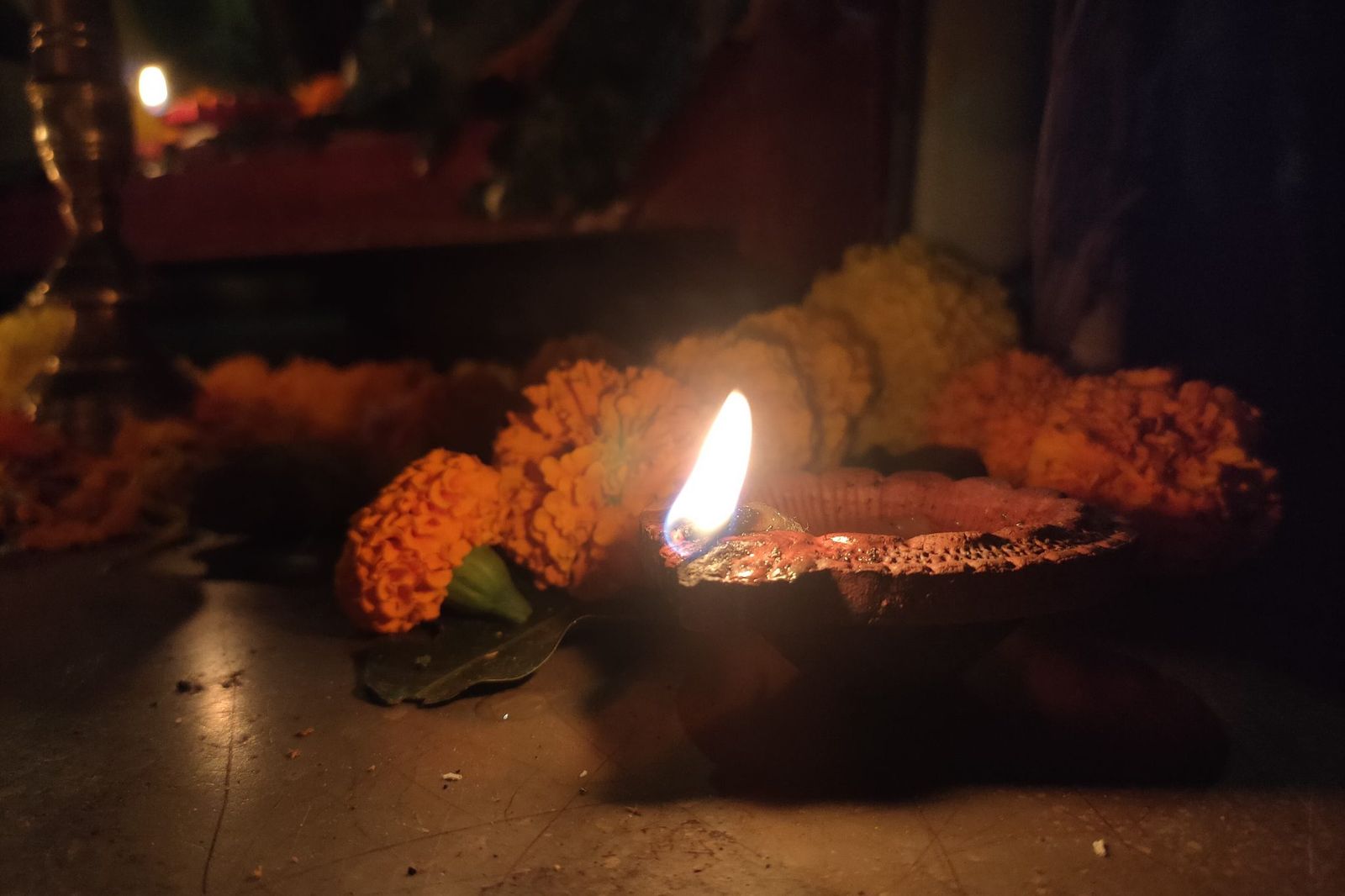
- Energise it with a mantra. Light a lamp, hold the mala in your right hand and chant a mantra 108 times. Om Saravanabhava, the six syllable mantra of Murugan, is commonly used. You may also use your family deity's mantra.
- Wear it with intention. Wear the mala around the neck or the bracelet on the right wrist, and remember why you are wearing it.
Do's and don'ts
- Do wipe it with a dry cloth now and then; a drop of sesame oil once in a few months keeps the wood from drying.
- Do remove it while swimming, bathing with soap or using perfume and chemicals.
- Don't share your personal japa mala with others.
- Many people remove the mala while sleeping and keep it in the pooja room; follow your family tradition.
How to identify genuine Karungali
Because real ebony is slow growing and costly, the market has many copies made from ordinary wood that is dyed or painted black. Here is how to check:
- Weight: genuine ebony is one of the densest woods in the world and feels heavy for its size. Good quality ebony is denser than water and tends to sink.
- Colour and grain: look for a deep, even black with a very fine grain. A flat, painted look or a brown core where a bead is chipped points to dyed wood.
- The cloth test: rub a bead firmly with a damp white cloth. Black stains on the cloth suggest paint or dye.
- Smoothness: real Karungali takes a natural, glassy polish without varnish.
- Price and seller: a very cheap "Karungali" mala is rarely genuine. Buy from a seller who stands behind the product and accepts returns.
Every Karungali product we sell is checked by hand before it is packed in Chennai, and you can return it within 30 days under our refund policy.
Karungali and your horoscope
Karungali is generally considered safe for anyone to wear. If you want to use it specifically as a remedy for Sevvai dosham or another placement in your chart, it is best to speak with an astrologer first. You can book a horoscope remedies consultation with our teachers.
Frequently asked questions
What is Karungali mala used for?
A Karungali mala is used for japa (chanting a mantra 108 times) and is worn for protection from negative energy, for courage and focus, and as a traditional remedy linked with Sevvai (Mars) and Lord Murugan.
Which day is best to start wearing Karungali?
Tuesday, the day of Sevvai and Lord Murugan, is the traditional day to start wearing a Karungali mala or bracelet. Cleanse it, chant a mantra such as Om Saravanabhava 108 times and then wear it.
How can I check if Karungali is original?
Genuine Karungali (ebony) is very heavy for its size, deep black with a fine grain, polishes smoothly without varnish and does not leave black stains when rubbed with a damp white cloth.
Can anyone wear a Karungali mala?
Yes, Karungali is generally considered suitable for everyone. If you want to use it as a specific astrological remedy, consult an astrologer for your chart.