How to Prepare for a Spiritual Yatra to the Himalayas: Fitness, Packing and Mindset
A yatra is not a holiday. Here is how to prepare your body, your bag and your mind for a pilgrimage to the Himalayas, from fitness training to a complete packing list.
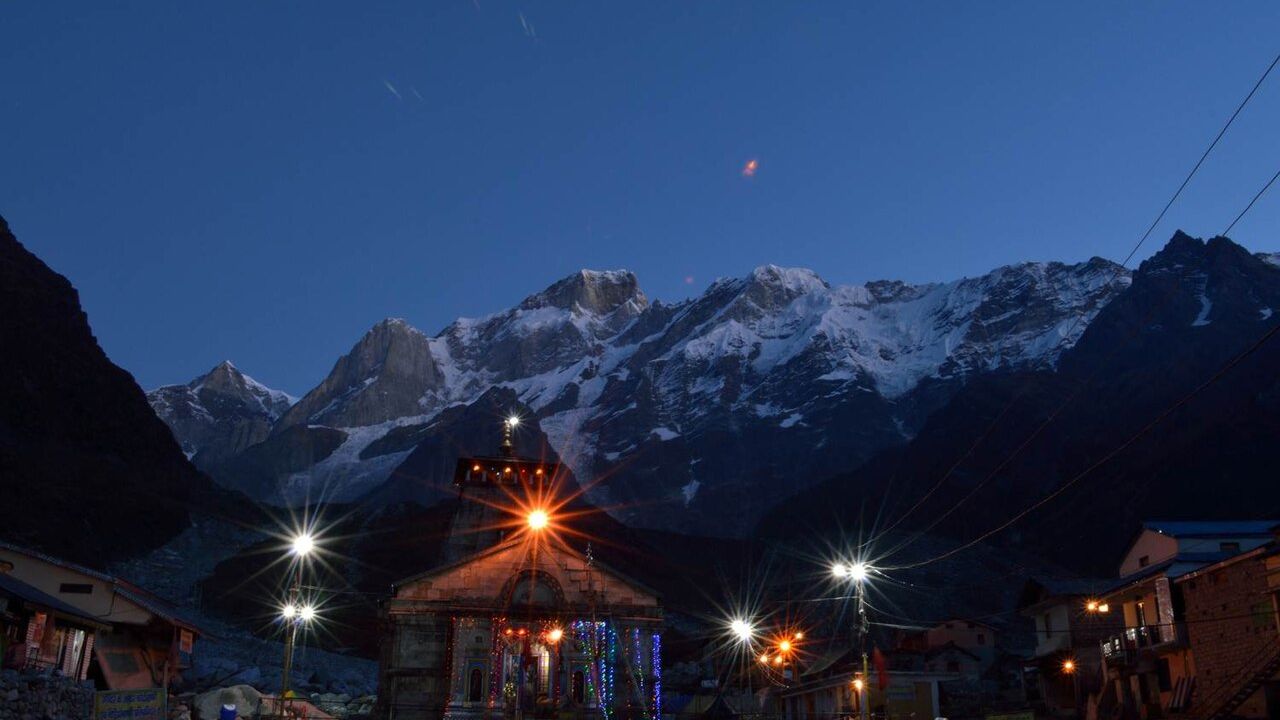
For centuries, devotees from Tamil Nadu have walked, ridden and prayed their way to the Himalayas: to Kedarnath and Badrinath, to Haridwar and Rishikesh, and to the Kumaon hills, home to Neem Karoli Baba's ashram at Kainchi Dham and the cave of Mahavatar Babaji near Kukuchina. A yatra is different from a holiday. It is a journey taken with devotion, where the travel itself becomes a practice. Good preparation lets you spend the yatra in prayer rather than in discomfort. Here is how to prepare.
1. Prepare your body
Himalayan shrines sit at high altitude. Kedarnath, for example, is at about 3,580 metres (11,750 feet), reached by a trek of around 16 km from Gaurikund. Start training six to eight weeks before you travel:
- Walk every day: build up to 45 to 60 minutes of brisk walking, including stairs or slopes.
- Breathe: practise pranayama such as anulom vilom for 10 to 15 minutes a day to improve lung capacity.
- Strengthen your legs: squats and step ups help on steep paths.
- See your doctor: get a health check, especially if you are over 50 or have blood pressure, heart, lung or diabetes concerns. Carry your prescriptions.
2. Paperwork and registration
- Carry a government photo ID (Aadhaar, passport or driving licence) and a few photocopies.
- Pilgrims to the Char Dham shrines in Uttarakhand must register with the state government before travel. On a guided yatra, your organiser handles this for the group.
- Keep your travel insurance, emergency contacts and medical details in your bag and on your phone.
3. Packing list for a Himalayan yatra
Clothing
- Thermal inner wear (two sets), a fleece or woollen sweater and a warm, windproof jacket.
- A raincoat or poncho; mountain weather changes quickly.
- Comfortable trekking shoes with good grip, already worn in, plus slippers.
- Woollen socks, cap, gloves and a muffler.
- Traditional clothes for temple darshan.
Health and essentials
- Your regular medicines, plus basic medicines for fever, headache, cold, stomach upset and motion sickness, after checking with your doctor.
- Sunscreen, lip balm, moisturiser and sunglasses; UV is strong at altitude.
- A reusable water bottle, dry fruits, energy bars and glucose.
- A torch, power bank, small backpack and a walking stick.
For your prayers
- Your japa mala, a small prayer book and a picture of your deity.
- Small packets of kumkum, vibhuti and a few pooja essentials for offerings.

4. Stay safe at altitude
Above about 2,500 metres some people get acute mountain sickness: headache, nausea, tiredness, dizziness or breathlessness. To reduce the risk:
- climb slowly and rest when your body asks you to;
- drink plenty of water and avoid alcohol and smoking;
- eat light, warm meals;
- tell your yatra leader at once if you feel unwell. If symptoms get worse, descend.
5. Prepare your mind
The inner preparation matters as much as the outer. Before the yatra:
- Set a sankalpa, a clear intention or prayer for the journey.
- Begin a daily practice of meditation or japa, ideally in Brahma Muhurtham.
- Read about the shrines you will visit and their stories.
- Accept that delays, queues and weather are part of the journey. Patience is part of the offering.
6. Why travel with a guided group
A guided yatra takes care of trains and flights, stays, local transport, registration and darshan timings, so you can focus on prayer. Travelling with fellow seekers, satsang every morning and meditation at sacred places turn a trip into a transformation.

Our five day Himalayas Spiritual Retreat, for example, includes a trek to the cave of Mahavatar Babaji near Kukuchina, darshan at the temple of Neem Karoli Baba at Kainchi Dham, a full day of deep practice, morning satsang and a campfire under the stars, with small groups so the experience stays focused. See all upcoming spiritual yatras.
Frequently asked questions
How should I prepare physically for a Kedarnath yatra?
Start six to eight weeks before: walk briskly 45 to 60 minutes daily including slopes or stairs, practise pranayama, strengthen your legs with squats and step ups, and get a medical check up.
What should I pack for a Himalayan yatra?
Thermal wear, a warm windproof jacket, raincoat, broken in trekking shoes, woollen socks, cap and gloves, your medicines, sunscreen, a water bottle, dry fruits, a torch, a power bank, photo ID and your prayer items.
Is registration required for the Char Dham yatra?
Yes. Pilgrims to the Char Dham shrines in Uttarakhand must register with the state government before travel. On a guided yatra the organiser registers the group.
How can I avoid altitude sickness on a yatra?
Climb slowly, rest often, drink plenty of water, avoid alcohol and smoking, eat light meals and tell your group leader at once if you have a headache, nausea or breathlessness.