Meditation for Beginners: A Simple 10 Minute Daily Practice You Can Start Tomorrow
You do not need hours, a retreat or a perfectly still mind to begin. Here is a simple 10 minute practice, what to do when the mind wanders, and how to keep going every day.
Many people tell us the same thing: "I tried meditation, but my mind would not stop." That is not failure. Noticing the restless mind is where every practice begins. You do not need hours of free time, a retreat or a perfectly still mind to start. You need a quiet corner, ten minutes and a simple method. This guide gives you exactly that.
What meditation is, and what it is not
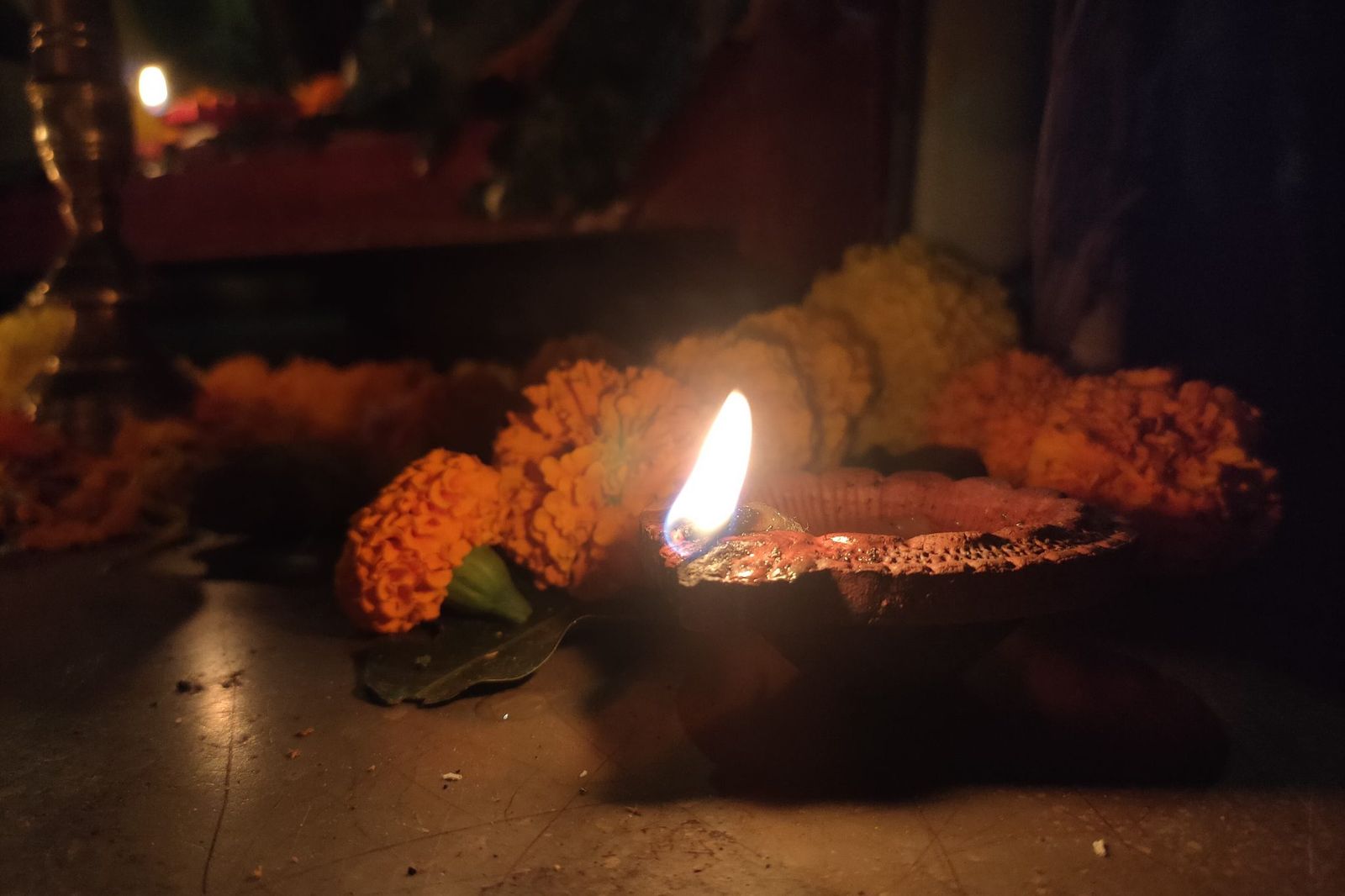
Meditation (dhyanam, தியானம்) is the practice of gently resting your attention on one thing, such as the breath, a mantra or a lamp, and bringing it back each time it wanders. It is not about forcing thoughts away or emptying the mind. Thoughts will come. The practice is in returning, again and again, without frustration.
Over time, this simple act of returning trains the mind to be steadier, calmer and more aware in everyday life, not only while you sit.
Why a daily practice helps
People who meditate regularly often describe:
- feeling calmer and less reactive under pressure;
- better focus at work and in study;
- falling asleep more easily;
- a clearer sense of what matters to them;
- a deeper connection in prayer and worship.
These changes come from consistency, not intensity. Ten minutes every day does far more than an hour once a week.
Before you begin
Choose a place
Pick one spot at home and use it every day: a corner of your pooja room, a chair by the window or a mat on the floor. Keep it clean and simple. Over time, sitting in that place will itself help the mind settle.
Choose a time
The early morning is ideal, before the day's noise begins. Traditionally, the best time is Brahma Muhurtham, the hours before sunrise. If mornings are not possible, choose a time you can keep every day, such as before dinner or before bed.
Sit comfortably
Sit cross legged on a cushion, or upright on a chair with both feet on the floor. Keep the spine straight but not stiff, the shoulders relaxed, the hands resting on the knees or in the lap, and the eyes gently closed. Comfort matters more than a perfect posture.

A simple 10 minute practice
- Settle (1 minute). Sit down, close your eyes and notice how your body feels. Let the shoulders drop and the face soften.
- Three deep breaths (1 minute). Breathe in slowly through the nose, filling the belly, and breathe out slowly. Let each breath out be a little longer than the breath in.
- Watch the breath (4 minutes). Let the breath return to its natural rhythm. Feel the cool air entering the nostrils and the warm air leaving. Silently count each breath out from 1 to 10, then start again at 1. When you lose count, simply begin again.
- Mantra (3 minutes). Silently repeat a mantra that is meaningful to you, such as Om Namah Shivaya, Om Namo Narayanaya or simply Om, in rhythm with the breath.
- Close with gratitude (1 minute). Think of one thing you are thankful for, and one intention for the day. Rub your palms together, place them over your eyes and slowly open them.
Use a gentle timer so you are not checking the clock. As this becomes easy, extend the breath and mantra stages to 20 or 30 minutes in total.
When the mind wanders
It will, often within seconds. Here is how to handle the most common difficulties:
- Too many thoughts: notice the thought, label it "thinking", and return to the breath. Each return is one repetition of the practice, like lifting a weight.
- Sleepiness: sit more upright, open the eyes slightly and look down at the floor, or meditate earlier in the day after washing your face.
- Restlessness or discomfort: it is fine to adjust your posture. Move slowly and mindfully, then settle again.
- "Am I doing it right?": if you sat down and kept coming back, you did it right. There is no perfect session.
Japa meditation with a mala
If watching the breath feels difficult, many people find japa, the repetition of a mantra on a mala of 108 beads, easier to begin with. The feel of each bead keeps the attention anchored. Hold the mala in the right hand, move one bead with the thumb for every repetition, and do not cross the larger guru bead; turn the mala around and continue. One round of 108 takes about ten minutes.
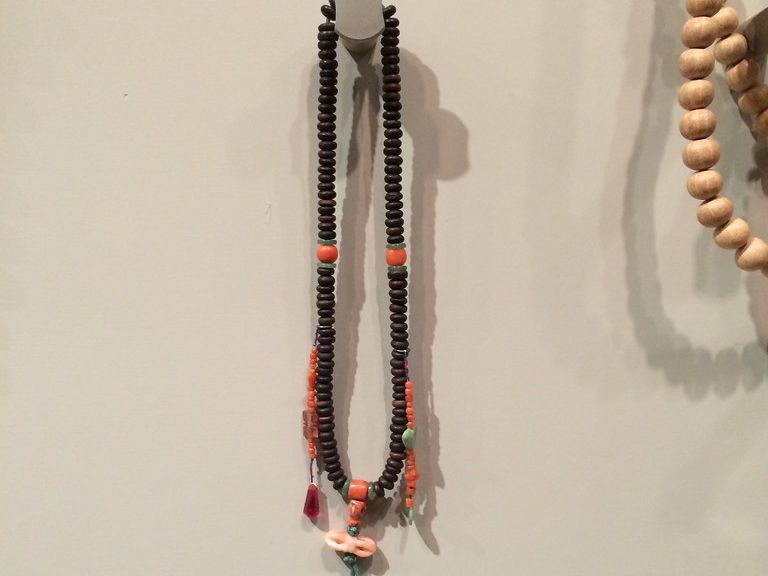
Devotees in Tamil Nadu often use a Karungali mala for japa. Read our guide to Karungali malas to learn how to choose and care for one.
How to make it a habit
- Same time, same place. Tie the practice to something you already do, such as right after your morning bath.
- Start small. Ten minutes you actually do beats an hour you keep postponing.
- Keep a simple record. Tick off each day on a calendar. A streak of 21 days is a good first goal.
- Practise with others. Meditating with a group, even online, gives you rhythm and encouragement.
That last point is why we run a free guided meditation every morning, open to everyone. If you would like to go deeper, our satsang and meditation journey and Brahma Muhurta programs guide you step by step, in Tamil.
A note on health
Meditation is a support for wellbeing, not a replacement for medical care. If you are living with anxiety, depression, trauma or any other health condition, practise gently and speak with your doctor or a qualified professional alongside it.
Frequently asked questions
How long should a beginner meditate?
Start with 10 minutes a day. Consistency matters more than length, so sit every day and extend to 20 or 30 minutes once the practice feels easy.
What is the best time to meditate?
Early morning, ideally in Brahma Muhurtham before sunrise, when the mind is naturally calm. If that is not possible, choose any time you can keep every day.
What should I do when thoughts keep coming?
Notice the thought without judging it and gently return to the breath or mantra. Coming back each time is the practice itself.
Can I meditate with a mantra?
Yes. Silently repeating a mantra such as Om Namah Shivaya, or chanting japa on a mala of 108 beads, is one of the easiest ways for beginners to keep the mind focused.